

How to Remove Grout Haze and Cloudy Film From Tile
If your tile looks permanently foggy, it's usually one of two things: a thin grout haze left from the install, or years of built-up cleaner and soap residue. Both wipe on, and both need to be cut and lifted off, not mopped around.
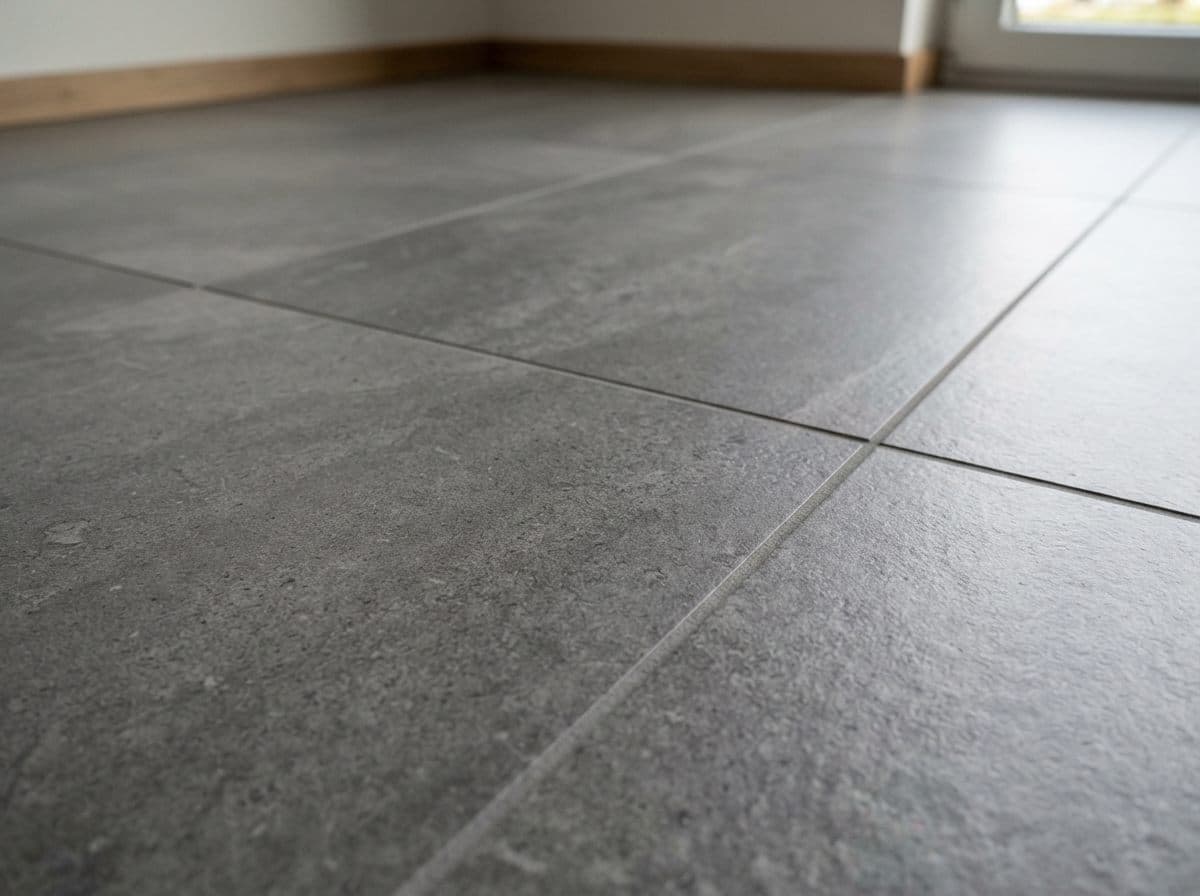
Foggy, dull tile that never looks truly clean is almost always a film sitting on top of the glaze, not dirt in the pores. It comes from one of two places. On newer tile it's grout haze, a thin cementy residue left behind when the installer wiped the grout and didn't fully rinse it off. On older tile it's a slow buildup of cleaning product, wax, and soap residue that's layered up over years of mopping. Different sources, same cloudy result, and the same reason it won't wipe away with what you've been using.
Why mopping never gets grout clean
Here's the trap almost everyone falls into. The tile looks dull, so you mop it again, hoping to clean off the fog. But the fog is often made of the very product you're mopping with. Most floor cleaners and mop solutions leave a faint residue as they dry, and mopping with the same stuff just adds another thin layer to the film that's already there. You're not removing the haze, you're building it up, one mop at a time.
Grout haze after an install is its own headache. It's a cementitious film, so a normal cleaner slides right over it. People wipe and wipe with a wet rag and the tile stays cloudy, because water alone won't break a cement residue. Some folks then reach for an acid, which can work on the right tile but wrecks natural stone, so it's a real gamble if you're not sure what your floor is made of.
Old soap and cleaner film is stubborn for a different reason. It's a soft, sticky layer that grabs dust and foot traffic, so it doesn't just look dull, it actively holds dirt. Wiping it moves it around and smears it thinner in spots, which is why a freshly mopped floor can look streaky and hazy at the same time. Nothing about a mop lifts the film off. It just redistributes it.
Why this surface is different
Both problems live on top of the tile, not in it, and that's the key. Glazed ceramic and porcelain have a hard, non-porous face, so nothing soaks in. That's usually a good thing, but it means any residue that dries on the surface stays on the surface as a film. Grout haze is a fine mineral and cement residue that bonded lightly to the glaze during the install. Cleaner and soap film is a soft organic layer that keeps accumulating because each new coat sticks to the last. Either way, light hits the film instead of the clean glaze, and your eye reads that as fog.
The reason mopping backfires is the chemistry of removal. A film like this has to be dissolved or lifted, then physically carried away, and a mop does neither. It reactivates the top of the film with water, smears it, and leaves it to dry right back down, often with a fresh layer of whatever's in the mop bucket on top. Grout haze needs a residue-cutting solution matched to the tile to break the cement bond. Soap film needs a solution that emulsifies the buildup so it can be rinsed free. In both cases the loosened film has to actually leave the floor, which is the step a rag and bucket can't do.
How Safe-Dry® restores it
Safe-Dry cuts the film with a solution matched to what's on the floor and what the floor is made of, then scrubs it off. For grout haze we use a residue-cutter that breaks the cement bond without acids, and on natural stone we keep the pH gentle so the finish stays intact. For old soap and cleaner buildup we emulsify the layer so it releases from the glaze. Then a rotary floor buffer scrubs the loosened film off the tile and out of the grout lines, and it's rinsed and mopped away in the same pass, so it's gone, not smeared thinner.
Because the film actually leaves the floor instead of getting pushed around, the glaze reads clear again and the tile stops looking foggy. The grout lines come clean at the same time, since the buffer's brush reaches into them where haze and residue tend to collect. Same-day appointments are often available, and every visit is backed by our 100% Satisfaction Guarantee. If you're not happy with how it looks, it's free.
We walk through the full deep-cleaning process on our how tile & grout cleaning works page, and every job is backed by our 100% satisfaction guarantee.
Frequently asked questions
What's the difference between grout haze and a cleaner film?
Grout haze is a thin cement residue left over from a tile installation, usually because the grout wasn't fully rinsed off during the wipe-down. Cleaner or soap film is a soft buildup that accumulates over years of mopping and washing. Grout haze tends to show up on newer tile, film shows up on older floors, but both sit on top of the glaze and both make the tile look cloudy. The fix for each is a bit different, which is why identifying it matters.
Why does my tile look worse the more I mop it?
Because the haze is often made of the cleaning product itself. Most floor cleaners leave a faint residue as they dry, so mopping with the same product adds another layer to the film that's already dulling the tile. You're building the fog up instead of removing it. To clear it, the film has to be cut and scrubbed off the surface, which a mop can't do no matter how many times you go over it.
Can I get grout haze off myself?
Sometimes, if the haze is light and you know your tile can handle a haze remover. The risk is the acids in many DIY haze products, which will etch and permanently dull natural stone like marble or travertine. If you're not certain what your tile is, that's a costly guess. A pro uses a residue-cutter matched to the surface and scrubs the haze off with a buffer rather than relying on acid, which is the safe route on any tile.
Will removing the film make my tile shiny again?
It brings back the tile's real finish, which on glazed ceramic or porcelain means the clear, reflective glaze you had before the film built up. The fog you're seeing is the residue, not the tile, so once it's lifted off, the surface reads clear again. We're not adding a shine, we're removing what was hiding the one that's already there.
Related tile & grout problems we solve
Discolored grout
Dark grout lines usually aren't stained, they're full of soil the pores soaked up. Professional buffing scrubs it back out and the original color returns.
StonePorcelain & ceramic
Glazed tile wipes clean, but the grout and the micro-texture on matte or wood-look porcelain hold grime a mop can't reach.
ProblemHard water stains
That cloudy white film is mineral scale from hard water. We loosen it and scrub it off the tile and out of the grout, then rinse it away, using the right solution for your surface.
Ready to see your grout’s real color again?
Enter your zip code to reach your local Safe-Dry® team. We deep-clean tile and grout across 532 locations in 6 states, with same-day appointments in most areas.